2026 reads
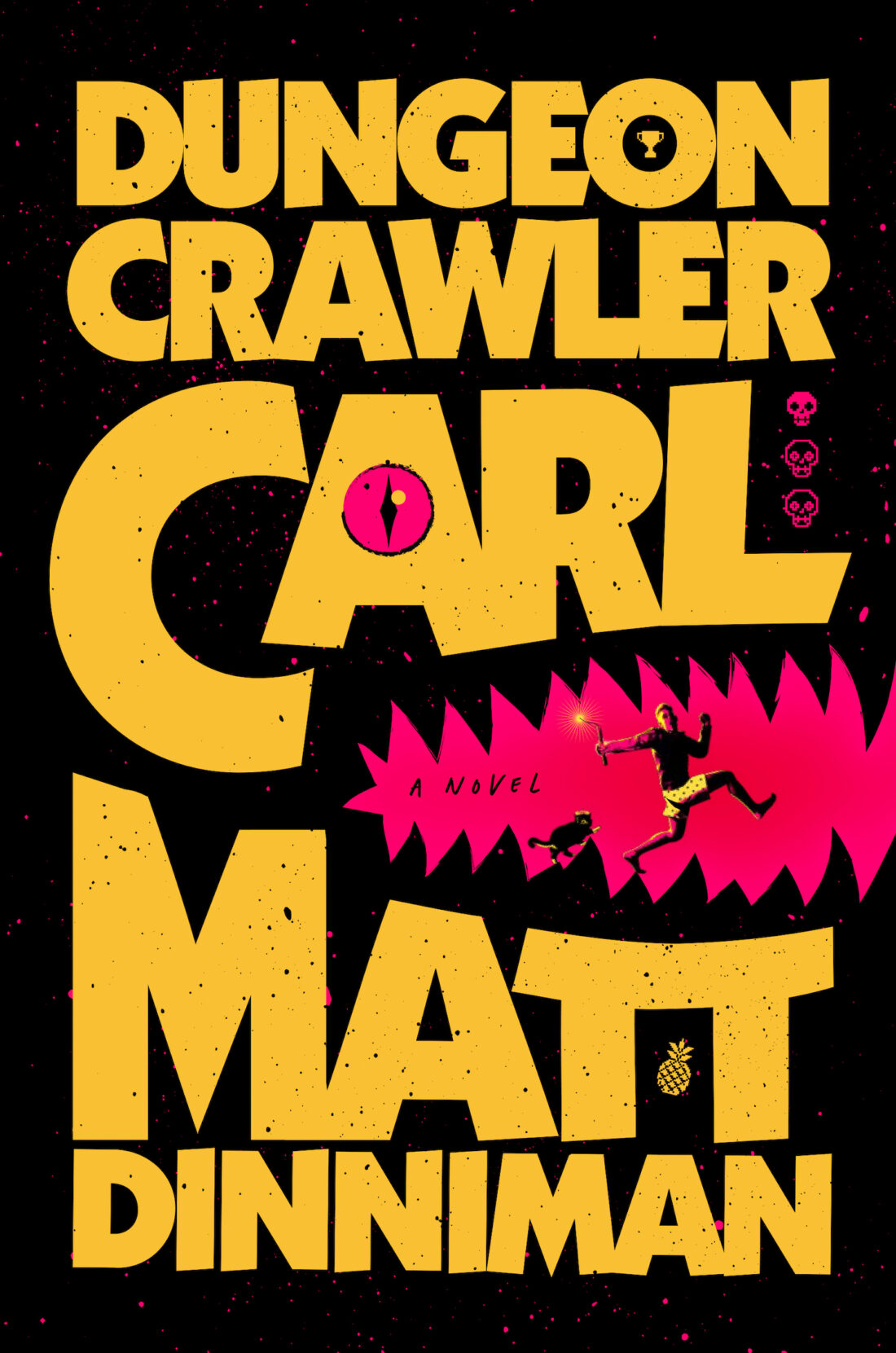
Dungeon Crawler Carl - Matt Dinniman
★★★☆☆
I had hoped to like this book more than I did, I really, REALLY wanted to like it,
but it just did not hit for me. I found the humour a bit corny, the story
repetitive, and I felt the more serious and dark moments were a little too forced.
It was fine enough, but I felt myself getting really bored with it around 60% in,
just hoping it would end soon.
The overarching plot of the whole alien corporation stuff did not appeal to me AT
ALL. I did not find any of the behind-the-scenes of the tv shows and corps in charge
worth my time, it was a case of "okay... and?" whenever the beef between corps got
described to me.
I see why people like this book, it's not a BAD book, it's just... a book. I don't
think I will be continuing the series, because I cannot stand the idea of more
descriptions of "I fought this, leveled up, opened loot boxes, corny achievements,
boss battle, rinse and repeat" for even one more book, let alone 5 or however many
there are now

The Will of the Many - James Islington
★★★★★
This one was an easy 5★, I enjoyed every moment of it. The pacing was fast, but I
liked it that way. If I checked out for even 3 pages, I would be confused as to what
happened, and I looooved that. The magic system is incredibly well done, and I liked
that the setting was more than just the academy. And I adored our main character in
this, he's complicated, kind of morally gray, and just overall very very interesting
to follow. Very excited to jump into book 2 of this series.

The Shadow of the Gods - John Gwynne
☆☆☆☆☆ - DNF (50%)
I wanted to like this book, I heard so many good things about it, and as a lover of
high fantasy, companions, and dragons, I thought I would love this. I was so
wrong.
The prose was not for me, I got used to it but it just felt clunky and did not work
for me at all. I also did not like the fact that the words "brain" and "mind" were
all replaced by the term "thought-cage," it annoyed me to no end. It took so long
for anything to happen that I could describe as "plot." I understand a slow burn,
but this was beyond normal slow. By the time anything happened, I realized I simply
did not care whatsoever what happened to these characters. Getting through the first
50% was such a slog, and I didn't care to continue.

The Final Empire - Brandon Sanderson
★★★★★
After thinking about reading Sanderson for years, I finally got started. I heard the
Mistborn trilogy is a good start, so I finally gave it a go. Holy shit, it was so
good. Sanderson is an incredible writer, his worldbuilding and characters are
absolutely top tier. The magic system is incredibly well thought out and very
unique. I read Six Of Crows before, and I thought that was one was eh, so I was at
first unsure to read about another heist story. However, this was an incredible
execution of it, with amazing twists and turns in the back half of the book. The
reveal at the ending was awesome, and I feel I could've pieced it together myself if
I had thought it through a little bit more. An easy perfect book for me.

Frankenstein - Mary Shelley
★★★★★
Finally got around to reading this classic, and man. This book is GOOD (but we knew
that). I see now where some tropes come from, and I totally understand now what I've
been reading online about analysis on this story. It was a tough read as someone
who's native language isn't English, but once I got used to the prose I could
definitely enjoy it more. Loved the simple creepiness of this book, and all the
philosophical questions the book asks about creation and being created.
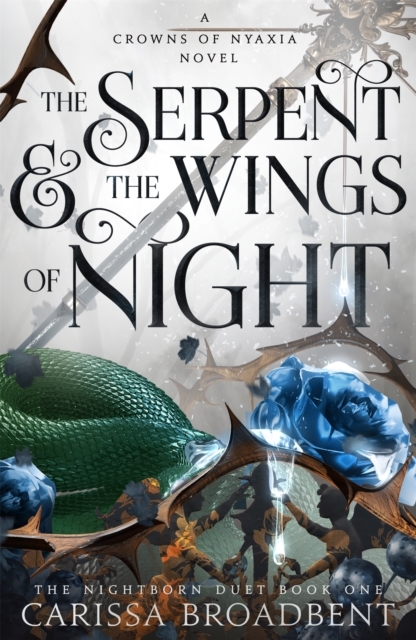
The Serpent and the Wings of Night - Carissa Broadbent
★★★☆☆
I started this thinking it would be tropey and the same as so many other books with
battle royale style games, and thus I would probably not like it as much. Boy, how
wrong I was. Though I did kind of tire of the games aspect, it did what it was there
for: just furthering the story.
My biggest interest in this book was the characters, especially the FMC's
relationship with her father. It's complicated and messy, she loves him but also
seems to resent him over his lies. Though I do feel there was a bit too much of
making excuses for shitty behaviour. It would've been nice if Oraya at one point
acknowledged "hey, that was fucked up," instead of just saying "but he did it to
make me stronger, so it's fine." Both can be true, and some nuance in it would've
been nice.
I also felt like it was a bit needlessly gorey. I'm not squeamish, but I didn't
think describing in too much detail how a corpse was mangled really added all that
much.
The back end of the book definitely picks up really well, and it had me fully
engrossed in the world. It's a very solid final 20% that lifted it from a 3.5 star
to a 4 star rating. "
Children of Time - Adrian Tchaikovsky
★★★★★
I absolutely adored this book. The ideas explored in it are incredible, and
the spider society was so well thought out and interesting, I couldnt't help but
start rooting for them instead of the humans. Seeing them evolve from simple spiders
into a space exploring society was super fun. The ending felt a little sudden and
quick compared to the pace of the rest of the book, since the whole book was
basically spent building up this clash between the spiders and the humans, and then
it got resolved within a chapter or 2. Then the repercussions of this clash are
briefly covered in one final short chapter. I heard that the sequel kind
of addresses the results of the spiders and humans working together a bit better so
I'm definitely reading that one in the future to see what ideas Tchaikovsky has for
that.

The Spellshop - Sarah Beth Durst
★★★☆☆
I didn't like this book at first, and I put it down after only about 20%. I
initially found the main characters very annoying and their negativity frustrated
me. I picked it back up and tried it again, and I ended up liking it anyway. I
didn't love it, I felt the romance went way too quick and the chemistry
wasn't really there to me. The overall vibe was very nice though, and it is exactly
what I expected: a simple cozy romantasy that you can turn your brain off for.

Pageboy - Elliot Page
★★★★☆
A very touching and relatable memoir about what it's like to grow up queer and
closeted, and finding yourself, learning to accept yourself, and slowly turning into
who you feel you truly are over time.
As a trans man myself I could find myself relating a lot to Elliot Page's story.
Though I never could have imagined the difficulties of being queer as a public
figure. I feel this book gave me a bit more insight into that experience.

The Dispossesed - Ursula K. Le Guin
★★★★★
This book was phenomonal. After the disappointing ways that Babel handled
revolution, I really appreciated reading a take on revolution that I think is way
more educated and has more to say.
The nuanced way of viewing the two types of society is incredibly interesting. It
doesn't say that anarchy is the perfect solution to capitalism, like I initially
expected. It's a lot more gray than that, and I liked that a lot.
I liked the style of long chapters that interchange between Shevek's past and
present. The way you learn about his motives, and can see him change as a person in
both his past and present versions of himself is very satisfying, you essentially
get two character arcs at the same time.